It’s Been Two Months… and My Hands Are Literally Full
If you’ve been wondering where I’ve disappeared to, the answer is simple: twins + moving = a full time job. Between the babies and their four older siblings (ages 7, 5, 4, and 2), my hands are not just full—they’re literally full most of the day. Someone always needs to be held, fed, changed, redirected, or reminded that we don’t throw things down the new laundry chute 🤣.
So, here we are. Two months since my last post.
I’d love to tell you I’ve been spending my evenings reading theology or finally working through that stack of psychology books on my nightstand. The reality? By the end of the day, I’m mostly trying to keep everyone, including myself, alive until bedtime.
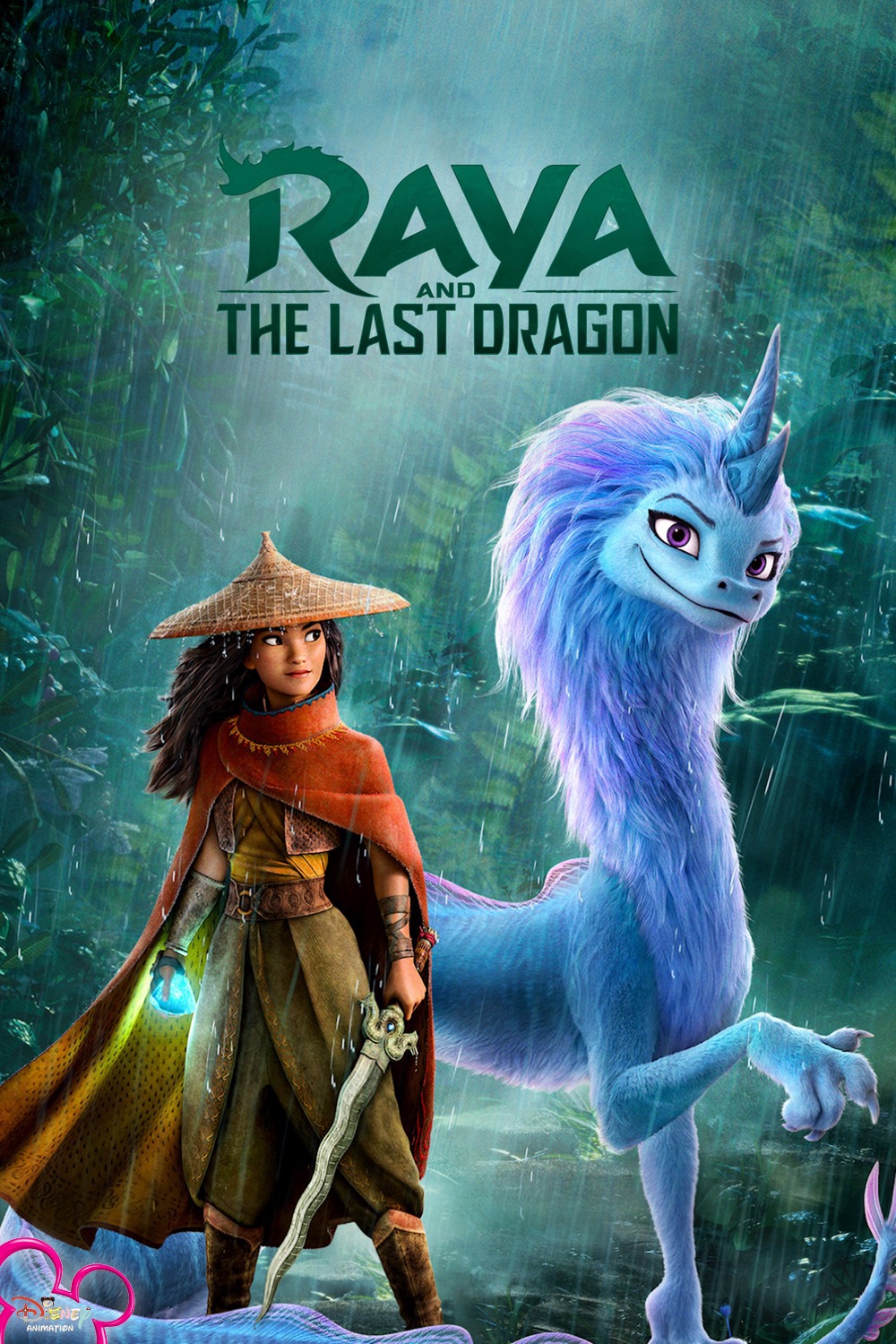
One thing we have been doing more of lately is family movie nights. Sometimes Mom just needs twenty uninterrupted minutes to snuggle two little ladies while everyone else is captivated by a dragon. Usually, I am skeptical of friendly dragon movies (a post for another day) but this one was entertaining enough and had some really good psychotheological themes
Our latest movie?
Raya and the Last Dragon.
Yes, I know. I’m behind.
Spoiler warning: The rest of this post discusses major plot points from Raya and the Last Dragon.
A Story About Broken Trust
On the surface, Raya and the Last Dragon is a fun adventure filled with legends of friendly protective dragons, beautiful animation, and enough humor to keep even my four-year-old engaged. The dragon actually ends up being the plucky comic relief side dish. The story really revolves around the dynamic of human nature, and the core developmental milestone of trust vs. mistrust.
The world of Kumandra was shattered because people stopped trusting one another. Fear divided them into separate tribes. Everyone believed they had to protect themselves first.
Sound familiar?
Not just in the world today—but sometimes in our own homes.
Attachment Theory: Rupture and Repair
One of the things I am constantly reminded of as a mom is that healthy relationships aren’t built by avoiding conflict and forcing harmony. If that worked, I’d be out of a job. Relationships are built by authenticity and repair, which involves a lot of risk.
Attachment theory talks about rupture and repair. Every close relationship experiences ruptures—moments of hurt, misunderstanding, disappointment, or broken trust. What creates secure attachment isn’t perfection or pretending. It’s returning to one another. Owning the hurt. Offering forgiveness. Risking vulnerability. And rebuilding connection.
In many ways, that’s Raya’s entire journey.
After a classic Disney-style moment of betrayal involving the death of a parent, Raya naturally concludes that trusting people is dangerous. Every experience afterward reinforces her belief.
Until the end.
The climax of the movie isn’t really about defeating a villain.
It’s about choosing trust before there’s proof it will be rewarded. And a reminder that going it alone is not how we protect those we care about.
Every character has to decide whether they’re willing to risk vulnerability for the possibility of reconciliation. They cannot “fix the world” alone no matter how hard fhey try.
Repair always feels risky.
It asks us to lay down our weapons before we know what the other person will do.
Grace Makes the First Move
One thing that struck me is that no one earns trust back perfectly.
Instead, someone has to make the first move.
That isn’t weakness.
It’s grace.
As Catholics, we’re familiar with this pattern.
God didn’t wait until humanity had itself together before reaching toward us.
Every act of reconciliation begins because someone chooses love over self-protection.
That doesn’t mean every relationship can or should be restored exactly as it was—especially where abuse or ongoing harm is involved. Prudence and appropriate boundaries matter. But wherever true reconciliation is possible, someone must take the courageous first step.
The Feast of the Transfiguration
As I watched this movie yesterday… which easily bleeds into today when you’re up with two newborns… I can’t help thinking about today’s Feast of the Transfiguration.
On Mount Tabor, the apostles caught a glimpse of what humanity is actually destined for.
Christ’s glory wasn’t merely revealed.
Our future was.
The Transfiguration reminds us that division, fear, and death are not the final chapter of history.
Communion is.
The unity revealed in Christ’s glorified humanity points toward what God desires for all creation.
Our Ultimate Destination
As Catholics, we believe our destiny isn’t simply getting into heaven as isolated individuals.
Our destiny is communion.
Communion with God.
Communion with one another.
Communion with the saints.
Every Mass is already a participation in that heavenly reality. The veil between heaven and earth grows wonderfully thin as we worship with the whole Church—the pilgrim Church on earth, the souls being purified, and the Communion of Saints.
That’s why stories about reconciliation resonate so deeply.
They’re echoes of the Gospel.
They’re reminders that every small act of forgiveness in our families, every repaired relationship, every moment we choose charity over suspicion is a tiny foretaste of the unity for which we were created.
Not because we’ll build heaven ourselves.
But because Christ already has.
From My Chaotic Living Room
These days, my own life feels less like a majestic dragon adventure and more like stepping on lego bricks while holding two babies and wondering who splashed apple sauce on the freshly painted walls.
But maybe that’s exactly where these lessons belong.
Every sibling argument that ends with forgiveness.
Every bedtime apology.
Every hug after tears.
Every opportunity to repair instead of retreat.
These ordinary moments are quietly forming hearts for communion.
So yes, it took me two months to write another blog post.
The twins are still tiny.
The laundry still isn’t folded.
We’ll probably watch another movie this week.
And by God’s grace, somewhere between diaper changes and dragon movies, we’re all learning what it means to trust, forgive, and keep walking toward the unity we were made for.